Wednesday, April 8, 2015
Ingredients for Life in the Universe
Astronomers have recently detected for the first time, complex molecules outside of earth and our solar system that may indicate the necessary ingredients for life. While studying the young star MWC 480, scientists have discovered the presence of some organic molecules like methyl cianide and others which are quite complex in the outer discs of this young star. This is a key discovery in the budding field of astronomy, because it prove to many that life or the ingredients for making life are not unique to simply our planet or solar system but they may exist throughout the entire universe. Scientists believe today that life began on Earth because a supply of water and complex molecules was brought to it by comets flying through the galaxy. The star MWC 480 is 455 light years away and is in the very beginning of its formation into a true star. Astronomers all over are very curious about this star and are keen to watch its development further and see what other signs of early life they may be able to detect.
http://www.sciencedaily.com/releases/2015/04/150408131422.htm
http://content.science20.com/files/images/mwc_480.jpg
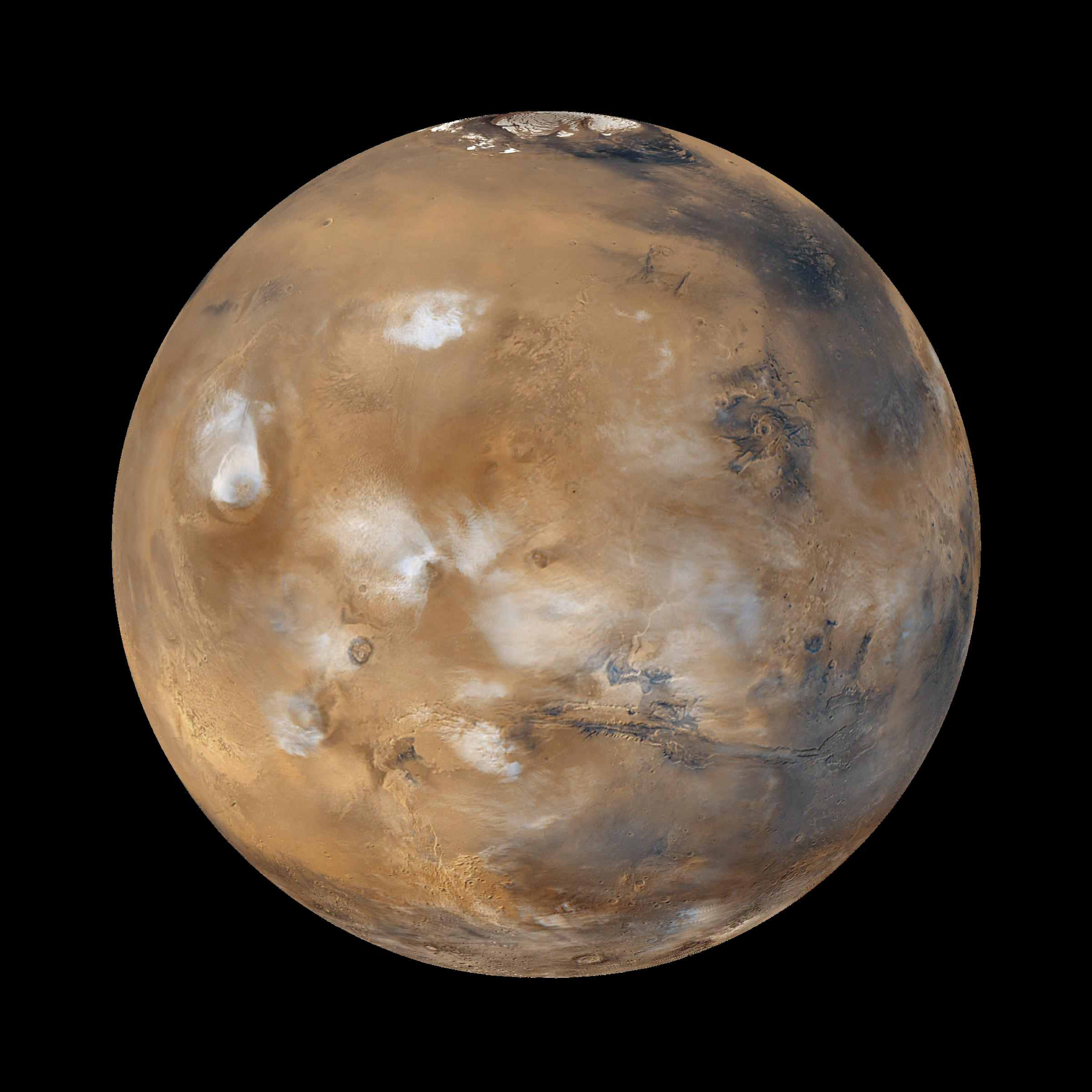
Martian Glaciers
Mars is known to have its own ice caps, but now scientists and astronomers are discovering vast glaciers covering many parts of Mars surface. Its difficult to see these glaciers because of very thick layers of dust covering them, making them appear the same as the rest of the surface, but radar measurements show that large deposits of glaciers do cover some of this planet. From these measurements, scientists have been able to determine how much of this frozen water there is on Mars, equivalent to a meter of water covering the whole planet. This is an astounding discovery and may be a clue to the possibility of life on this thought to be barren wasteland. Up until recent satellite measurements it was still unclear if this ice was water or carbon dioxide or if it was just mud, but now we know for sure that there is a significant amount of water on Mars. The roughly 150 billion cubic meters of ice is an astounding development in our study of Earth's closets neighbor in the solar system and is opening many eyes to what other secrets Mars may hold.
http://www.sciencedaily.com/releases/2015/04/150408102701.htm
http://knightnews.com/wp-content/uploads/2015/02/Water_ice_clouds_hanging_above_Tharsis_PIA02653_black_background.jpg
Subscribe to:
Posts (Atom)